Restorative Dentistry
Restore the Health, Strength & Beauty of Your Smile
Damaged, decayed, weakened, or missing teeth can affect more than just your smile. They may cause pain, difficulty while chewing, sensitivity, and affect your overall oral health. Restorative Dentistry focuses on repairing and restoring damaged teeth to improve their function, strength, comfort, and natural appearance.
At our clinic, we provide personalized restorative dental solutions based on your individual dental condition. From simple tooth fillings and root canal treatment to advanced crowns, bridges, re-treatment, and full-mouth rehabilitation, our goal is to help restore your smile and support long-term oral health.
Restore Your Smile. Regain Your Confidence.
Our Restorative Dentistry Services
Dental Fillings & Tooth Restoration
Root Canal Treatment (RCT)
Re-Root Canal Treatment
Single Sitting Root Canal Treatment
Dental Crowns & Bridges
Zirconia & Ceramic Crowns
Dental Bridges
Full-Mouth Rehabilitation
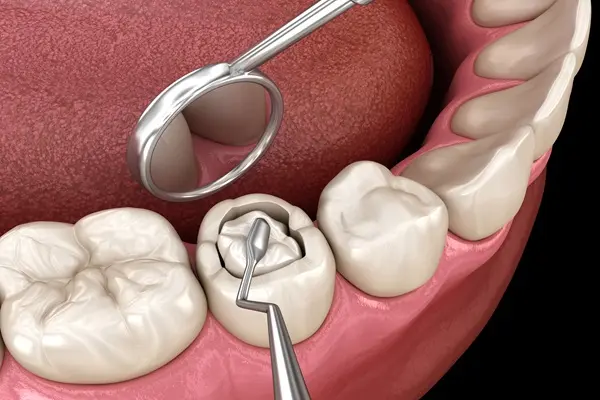
Dental Fillings & Tooth Restoration
Tooth decay, cavities, chips, and minor tooth damage can weaken the natural structure of a tooth. Dental fillings and restorative treatments help repair the affected area and restore normal function and appearance.
Depending on the condition of the tooth, treatment may help:
- Restore teeth affected by cavities
- Repair minor chips or damage
- Improve tooth structure
- Support comfortable chewing
- Restore a more natural appearance
The most suitable restorative option is recommended after a proper dental evaluation.
Root Canal Treatment (RCT)
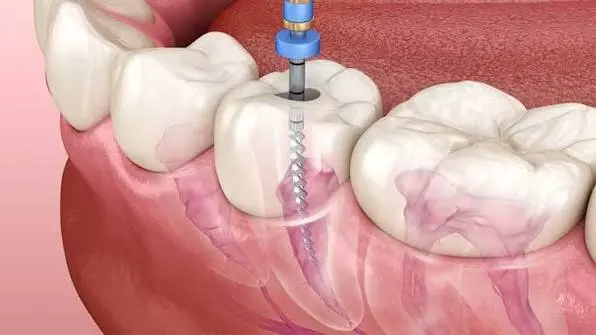
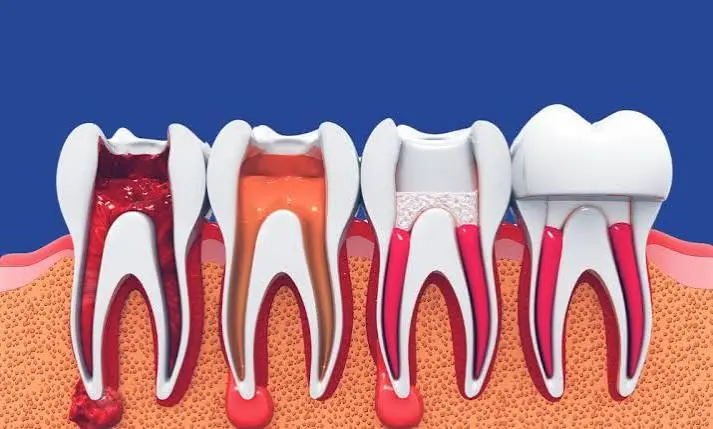
A root canal treatment may be recommended when the inner pulp of a tooth becomes inflamed, infected, or damaged due to deep decay, trauma, cracks, or other dental problems.
The procedure focuses on removing the affected tissue, cleaning and disinfecting the root canal system, and sealing the tooth appropriately.
Root canal treatment may help:
- Address infection inside the tooth
- Relieve pain caused by pulp-related problems
- Preserve the natural tooth when possible
- Restore normal function
Following treatment, a suitable restoration or crown may be recommended to protect the tooth, depending on its condition.
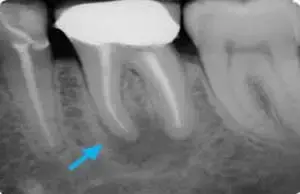
Re-Root Canal Treatment
In some cases, a tooth that has previously undergone root canal treatment may develop persistent or recurrent problems. Re-root canal treatment, also known as root canal retreatment, involves reassessing and treating the tooth when clinically appropriate.
Retreatment may be considered when there is:
- Persistent pain or discomfort
- Recurrent infection
- Incomplete healing
- New decay affecting a previously treated tooth
- Problems with an existing restoration
A detailed clinical and radiographic evaluation helps determine whether retreatment is the appropriate option.
Single Sitting Root Canal Treatment
For selected cases, root canal treatment may be completed in a single visit. Whether single-sitting treatment is suitable depends on factors such as the condition of the tooth, the extent of infection, and the overall clinical assessment.
Potential advantages for suitable patients may include:
- Reduced number of dental visits
- Convenient treatment planning
- Faster completion of the procedure
Your dentist will evaluate your condition and recommend the treatment approach most appropriate for your tooth.
Dental Crowns & Bridges
Dental crowns and bridges are restorative solutions used to repair damaged teeth or replace missing teeth.
Dental Crowns
A crown is designed to cover and protect a weakened, heavily restored, or root canal-treated tooth. It helps restore the tooth’s shape, strength, function, and appearance.
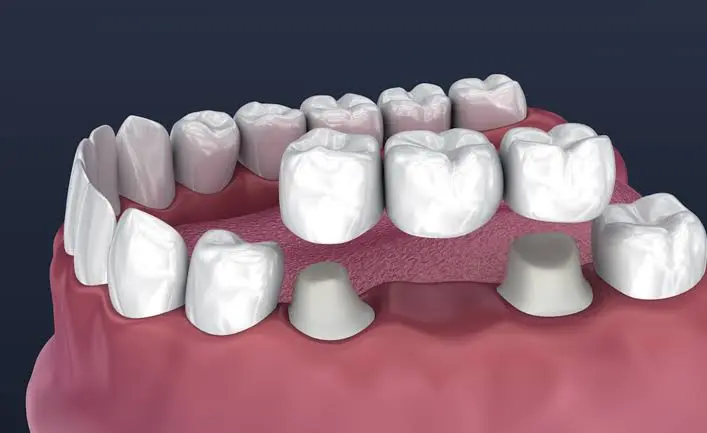
Dental Bridges
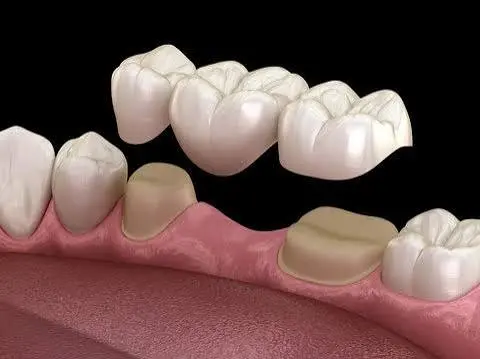
A dental bridge is used to replace one or more missing teeth by creating a fixed restoration supported by suitable adjacent teeth or other appropriate dental support.
Crowns and bridges are planned individually to achieve a balance between function, durability, comfort, and aesthetics.
Zirconia & Ceramic Crowns
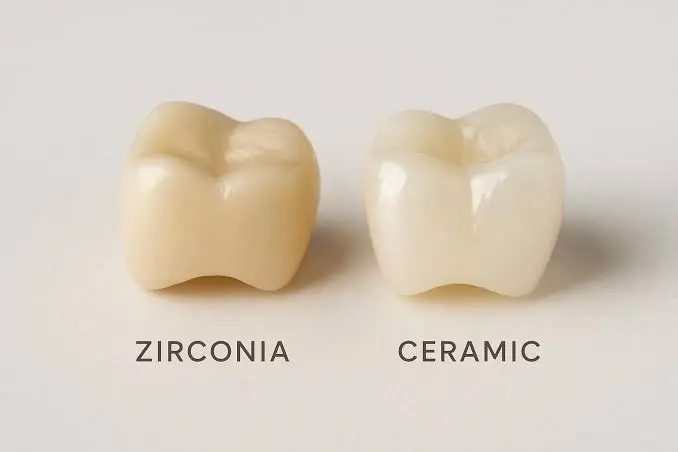
For patients seeking strong and natural-looking restorations, zirconia and ceramic crowns can provide aesthetic restorative options for suitable cases.
These crowns are designed to:
- Restore the shape and function of damaged teeth
- Provide a natural-looking appearance
- Improve smile aesthetics
- Support weakened or treated teeth
The choice between zirconia, ceramic, or other crown materials depends on the location of the tooth, bite forces, aesthetic requirements, and individual dental needs.
Dental Bridges
Missing teeth can affect your ability to chew and may influence the alignment and function of surrounding teeth. Dental bridges can be considered as a fixed tooth replacement option for suitable patients.
A customized dental bridge may help:
- Replace one or more missing teeth
- Improve chewing ability
- Support proper bite function
- Restore smile appearance
- Help maintain spacing between surrounding teeth
Your dentist will assess your oral health and discuss the most appropriate tooth replacement options for your individual needs.
Full-Mouth Rehabilitation
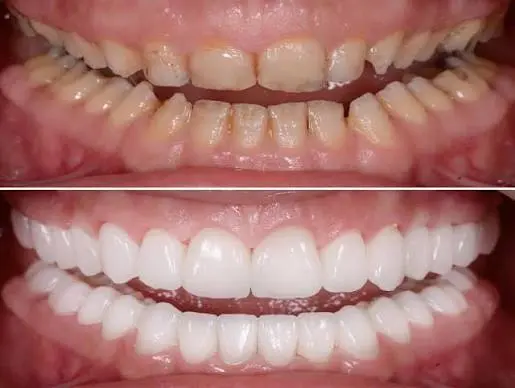
Full-mouth rehabilitation is a comprehensive treatment approach for patients with multiple dental concerns affecting the function, health, or appearance of their teeth.
It may involve a carefully planned combination of restorative treatments, such as:
- Dental fillings and restorations
- Root canal treatment
- Crowns
- Bridges
- Replacement of damaged or missing teeth
- Bite and functional rehabilitation
Every full-mouth rehabilitation plan is personalized after a detailed assessment of your teeth, gums, bite, oral health, and treatment goals.
The objective is to restore function, comfort, oral health, and a confident smile through a structured and comprehensive treatment plan.
When Should You Consider Restorative Dentistry?
You may benefit from a restorative dental consultation if you have:
Toothache or persistent dental pain
Cavities or tooth decay
Broken, chipped, or cracked teeth
Worn or weakened teeth
A previously treated tooth causing discomfort
Missing teeth
Difficulty chewing
Multiple damaged or worn teeth
Old or damaged dental restorations
Why Choose Our Restorative Dental Care?
At our clinic, every treatment plan is based on a detailed understanding of your dental condition and individual needs. Our approach focuses on:
Comprehensive dental assessment
Personalized treatment planning
Restoring proper function and comfort
Natural-looking restorative solutions
Modern dental techniques and technology
Patient comfort and clear treatment guidance
Restore Your Smile with Personalized Dental Care
Dr. Deepika Yadav provides personalized restorative dental care focused on improving oral health, function, comfort, and smile aesthetics. Restore Your Teeth. Improve Your Function. Smile with Confidence.
Frequently Asked Questions (FAQs)
What is restorative dentistry?
Restorative dentistry focuses on repairing damaged or decayed teeth and replacing missing teeth to restore oral function, comfort, and appearance.
When is a root canal treatment needed?
Root canal treatment may be recommended when the pulp inside a tooth is significantly inflamed, infected, or damaged. A dental examination is necessary to determine whether RCT is appropriate.
Is a crown necessary after root canal treatment?
In some cases, a crown may be recommended to protect and strengthen a root canal-treated tooth, especially when a significant amount of tooth structure has been lost. The need depends on the individual tooth and its condition.
What is the difference between a dental crown and a bridge?
A dental crown covers and protects an individual damaged or weakened tooth. A dental bridge is used to replace one or more missing teeth by connecting a replacement tooth or teeth to appropriate supporting structures.
What is re-root canal treatment?
Re-root canal treatment, or root canal retreatment, is a procedure performed to address certain problems that may occur in a tooth that has previously received root canal treatment.
Can a root canal be completed in one sitting?
Yes, single-sitting root canal treatment may be possible in selected cases. Your dentist will determine whether it is suitable based on the condition of the tooth and surrounding tissues.
What are zirconia and ceramic crowns?
Zirconia and ceramic crowns are restorative materials used to restore damaged teeth. They are selected based on factors such as strength requirements, tooth location, bite, and aesthetic expectations.
What is full-mouth rehabilitation?
Full-mouth rehabilitation is a comprehensive and personalized treatment plan that combines multiple dental procedures to restore the function, health, and appearance of teeth affected by extensive damage, wear, decay, or tooth loss.