Pediatric Dentistry
Gentle Dental Care for Growing Smiles
Children need dental care that focuses not only on treating existing problems but also on building healthy habits for a lifetime. Pediatric Dentistry provides age-appropriate preventive, restorative, and developmental dental care to support healthy teeth, gums, proper oral development, and confident smiles.
At Dr. Deepika Yadav’s dental clinic, children receive a comfortable and child-friendly approach to dental care, with treatments planned according to their age, dental development, oral health, and individual needs.
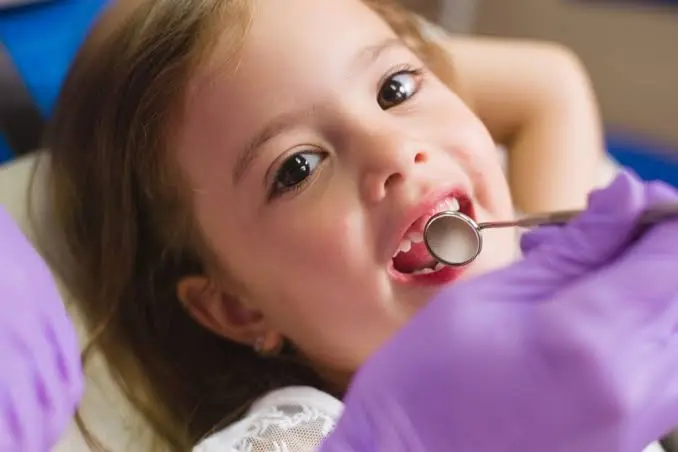
Our Pediatric Dentistry Services
Children's Dental Check-ups
Preventive Dental Care
Fluoride & Sealant Treatment
Dental Fillings for Children
Pulp Therapy
Space Maintainers
Habit-Breaking Appliances
Early Orthodontic Assessment
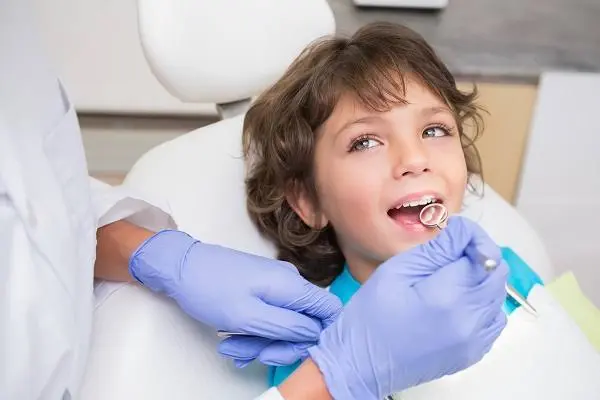
Children's Dental Check-ups
Regular dental check-ups help monitor your child’s oral health and identify potential problems before they become more serious.
During a children’s dental examination, the dentist may assess:
- Teeth and gum health
- Tooth eruption and development
- Early signs of cavities
- Bite and jaw development
- Oral hygiene habits
- Tooth alignment and spacing
- Habits that may affect dental development
Regular visits also help children become comfortable with dental care from an early age.
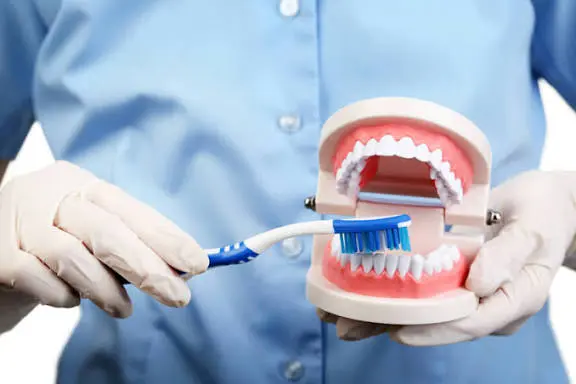
Preventive Dental Care
Prevention is one of the most important parts of children’s dentistry. Developing good oral hygiene habits early can help reduce the risk of cavities and gum problems.
Preventive dental care may include:
- Regular dental examinations
- Professional cleaning when required
- Brushing and oral hygiene guidance
- Dietary advice for healthy teeth
- Monitoring tooth development
- Cavity-risk assessment
- Guidance for parents and children
The goal is to help children develop healthy habits that continue into adulthood.
Fluoride & Sealant Treatment
Children’s teeth can be vulnerable to cavities, particularly in the grooves and pits of back teeth.
Fluoride treatment can help strengthen tooth enamel and support resistance against tooth decay when recommended based on the child’s needs.
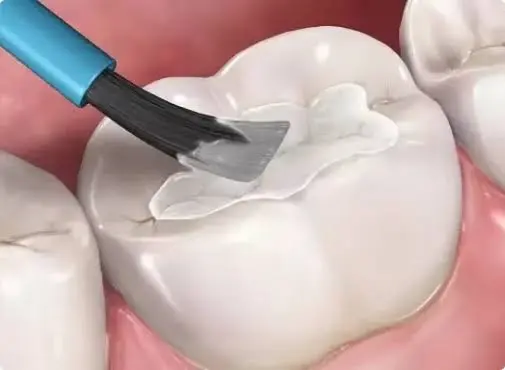
Dental sealants are thin protective coatings placed over selected chewing surfaces of teeth. They can help prevent food and plaque from collecting in deep grooves that may be difficult to clean effectively.
These preventive treatments are recommended based on the child’s dental condition and cavity risk.
Dental Fillings for Children
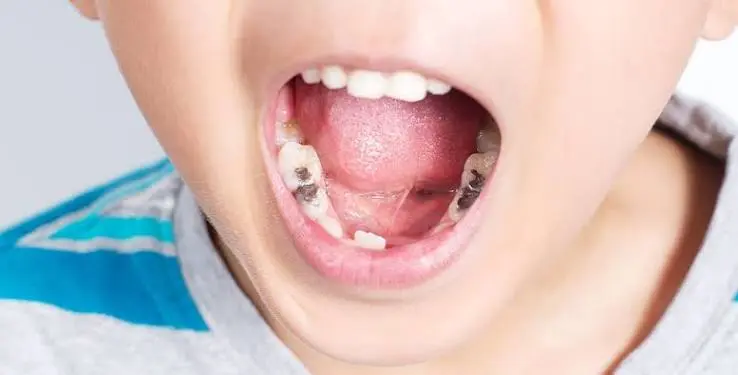
When a child develops a cavity, treating it early can help prevent further damage and discomfort.
Tooth-coloured fillings can be used to restore teeth affected by decay while maintaining a natural-looking appearance.
Treatment may help:
- Remove decayed tooth structure
- Restore the shape and function of the tooth
- Reduce the risk of further decay
- Maintain comfortable chewing
- Preserve the tooth whenever possible
Parents are encouraged to bring children for evaluation when they notice tooth sensitivity, pain, food getting stuck, visible spots, or changes in eating habits.
Pulp Therapy
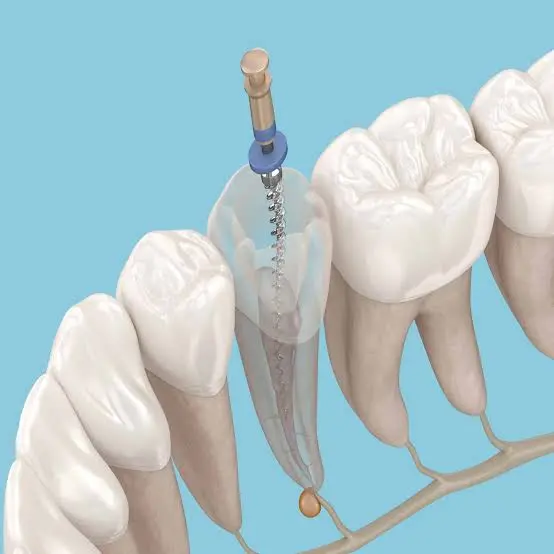
When tooth decay or injury reaches the inner pulp of a baby tooth, simple filling treatment may not be sufficient. Pulp therapy is a treatment used to manage affected pulp tissue and help preserve the tooth when clinically appropriate.
Depending on the condition of the tooth, treatment may involve addressing the affected pulp while preserving as much healthy tooth structure as possible.
Maintaining a healthy primary tooth can be important for:
- Comfortable chewing
- Maintaining space for permanent teeth
- Supporting normal dental development
- Avoiding premature tooth loss
The appropriate treatment is determined after examining the child’s tooth and overall oral condition.
Space Maintainers
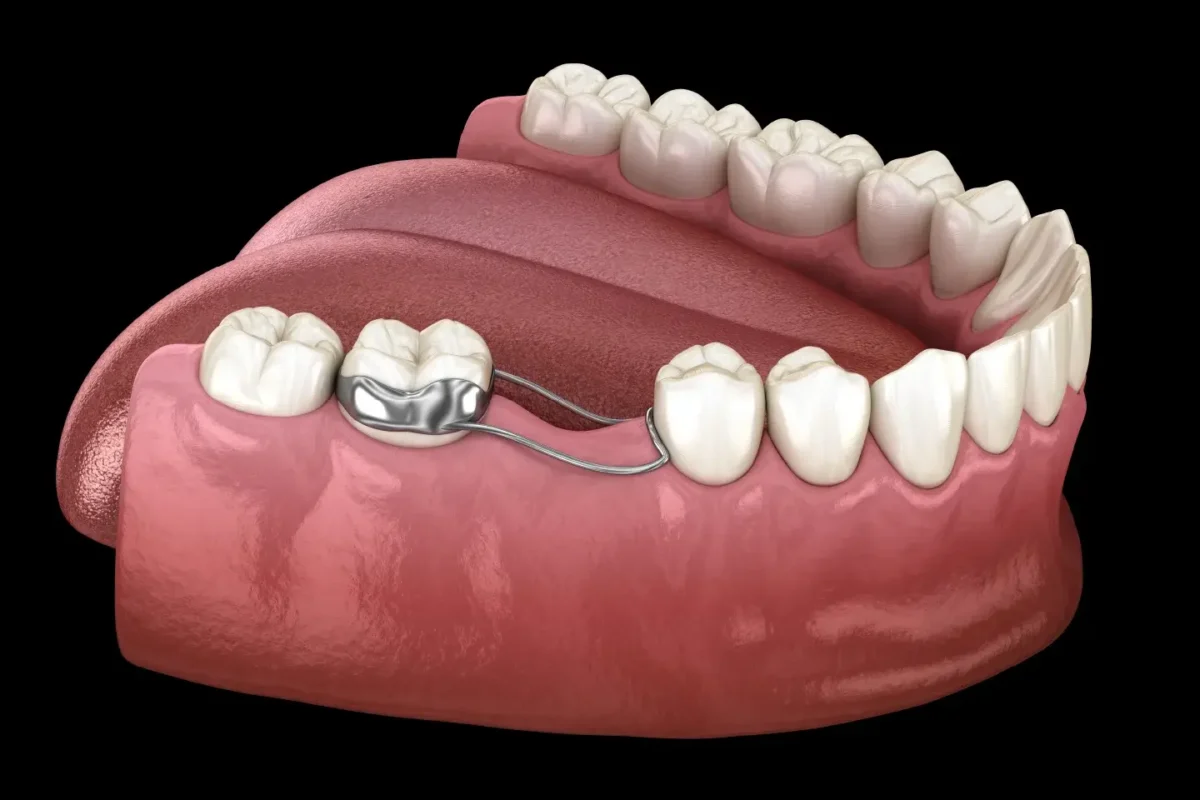
Baby teeth play an important role in maintaining space for permanent teeth. If a primary tooth is lost too early, nearby teeth may shift into the empty space and potentially affect the eruption of the permanent tooth.
A space maintainer may be recommended in selected cases to help preserve the required space until the permanent tooth is ready to erupt.
Space maintainers are considered based on factors such as:
- Which tooth was lost
- The child’s age
- Tooth development
- Location of the missing tooth
- Expected eruption of the permanent tooth
Regular follow-up helps monitor the area as the child’s teeth continue to develop.
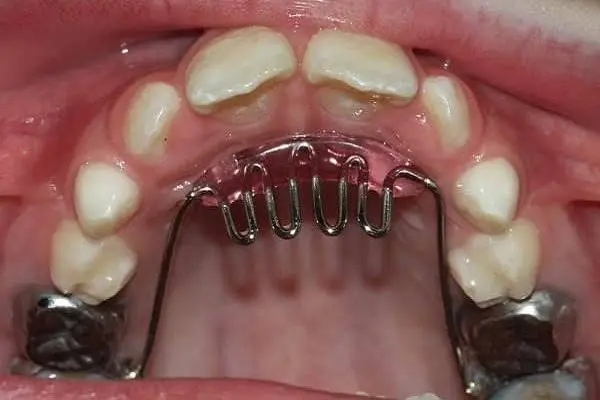
Habit-Breaking Appliances
Certain childhood oral habits can influence the development of the teeth and jaws when they continue for an extended period.
Examples may include:
- Thumb or finger sucking
- Tongue-thrusting habits
- Certain oral posture habits
- Other repetitive habits affecting dental development
When appropriate, habit-breaking appliances may be used along with guidance and behavioural support to help discourage the habit.
Early evaluation can help determine whether a habit is affecting tooth position, bite, jaw development, or facial growth.
Early Orthodontic Assessment
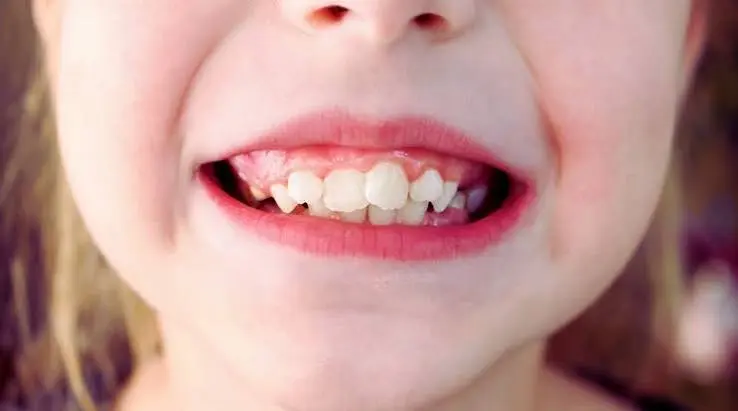
Not every child needs braces at an early age, but an early orthodontic assessment can help identify developing alignment or bite concerns.
Assessment may evaluate: Crowding or spacing, Crossbite, Open bite, Overbite, Jaw growth and development, Tooth eruption patterns, Impacted or delayed teeth, Oral habits affecting alignment
Early assessment allows developing problems to be monitored and, when necessary, treated at an appropriate stage of dental growth.
Why Is Pediatric Dentistry Important?
Children’s teeth are constantly changing as they grow. Regular dental care allows potential concerns to be identified during different stages of development.
Early dental care can help:
- Prevent and detect cavities
- Maintain healthy primary teeth
- Encourage good brushing and hygiene habits
- Monitor permanent tooth eruption
- Identify bite and alignment concerns
- Reduce fear or anxiety around dental visits
- Educate parents about their child’s oral health
Building Healthy Dental Habits at Home
Parents play an important role in maintaining children’s oral health.
Encourage your child to:
- Brush teeth twice a day with age-appropriate toothpaste
- Clean between teeth when appropriate
- Limit frequent sugary snacks and drinks
- Drink water regularly
- Avoid using teeth to bite hard objects
- Follow recommended dental check-up schedules
- Tell parents about tooth pain or sensitivity
- Maintain healthy oral hygiene even when baby teeth are present
When Should Your Child Visit a Dentist?
A dental visit may be recommended when your child has:
Toothache or dental pain
Sensitivity to hot or cold foods
Bleeding or swollen gums
Difficulty chewing
A chipped or broken tooth
A prematurely lost baby tooth
Delayed or unusual tooth eruption
Crowding or significant spacing
Persistent thumb-sucking or other oral habits
Why Choose Dr. Deepika Yadav for Pediatric Dentistry?
Dr. Deepika Yadav brings a comprehensive approach to children’s dental care, combining preventive dentistry, restorative treatment, orthodontic assessment, and attention to developing smiles. Her approach focuses on:
Child-friendly dental care
Prevention and early detection
Individualized treatment planning
Clear guidance for parents
Comfortable and positive dental experiences
Long-term oral health
Give Your Child a Healthy Start to a Beautiful Smile
Book a Pediatric Dentistry Consultation with Dr. Deepika Yadav and take the first step toward helping your child develop healthy teeth, a balanced bite, and a confident smile.
Frequently Asked Questions (FAQs)
At what age should a child visit the dentist?
Children should have their first dental evaluation early in life, followed by regular check-ups as recommended by the dentist. Early visits help establish good oral hygiene habits and allow developing concerns to be identified.
How often should children have dental check-ups?
The frequency depends on the child’s oral health and individual risk factors. Regular dental visits allow the dentist to monitor teeth, gums, eruption, and development.
Are fluoride treatments safe for children?
Fluoride can be beneficial for strengthening enamel and preventing tooth decay when used appropriately. The dentist determines whether fluoride treatment is suitable based on the child’s age and individual needs.
What are dental sealants?
Dental sealants are protective coatings applied to selected chewing surfaces of teeth. They can help protect areas where food and plaque may collect in deep grooves.
Why do children need fillings in baby teeth?
Baby teeth are important for chewing, speech, development, and maintaining space for permanent teeth. Treating cavities when appropriate can help preserve the tooth and prevent complications.
What is pulp therapy for children?
Pulp therapy is used to manage an affected or damaged pulp in a primary tooth when the condition requires more than a simple filling. The aim is to manage the problem while preserving the tooth when possible.
Why might my child need a space maintainer?
If a baby tooth is lost earlier than expected, nearby teeth may move into the empty space. A space maintainer may be recommended in selected cases to help preserve space for the developing permanent tooth.
Does every child need early orthodontic treatment?
No. An early orthodontic assessment does not necessarily mean that treatment is required immediately. It helps identify developing concerns and determine whether monitoring or treatment may be appropriate.
Can thumb sucking affect my child's teeth?
Prolonged thumb or finger sucking can influence tooth position and bite development in some children. Early assessment can help determine whether the habit is affecting oral development.
How can I help my child avoid cavities?
Regular brushing, appropriate fluoride toothpaste, healthy eating habits, limiting frequent sugary foods and drinks, professional preventive care, and regular dental check-ups can all help reduce the risk of cavities.