Oral Surgery & Tooth Extraction
Safe, Precise & Comfortable Care for Dental Surgical Needs
When a tooth cannot be restored or requires surgical treatment, timely dental care can help prevent complications and protect your overall oral health. Oral Surgery & Tooth Extraction includes a range of procedures designed to address problematic, damaged, impacted, or non-functional teeth with appropriate clinical planning.
At Dr. Deepika Yadav’s clinic, every case begins with a detailed evaluation of the teeth, gums, surrounding structures, and overall oral condition. Treatment is recommended only when clinically appropriate, with a focus on patient comfort, safety, preservation of healthy tissues, and effective recovery.
From routine tooth extraction to wisdom tooth removal and impacted tooth management, treatment is tailored to each patient’s individual needs.
Our Oral Surgery & Tooth Extraction Services
Tooth Extraction
Surgical Tooth Extraction
Wisdom Tooth Removal
Impacted Tooth Management
Comprehensive Oral Surgery
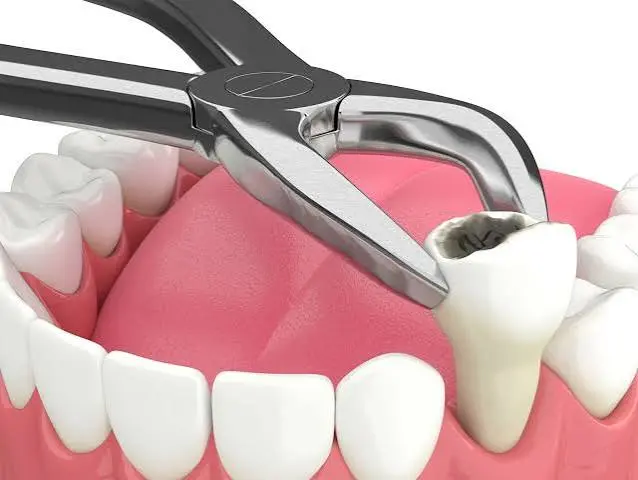
Tooth Extraction
Tooth extraction involves carefully removing a tooth when it cannot be adequately preserved or when removal is required as part of a comprehensive treatment plan.
Extraction may be considered for teeth affected by:
- Extensive tooth decay
- Severe damage or fracture
- Advanced dental infection
- Severe gum or supporting tissue problems
- Poorly positioned teeth
- Teeth that cannot be predictably restored
- Other specific dental conditions
Before extraction, the tooth and surrounding structures are evaluated to determine the safest and most appropriate approach.
Surgical Tooth Extraction
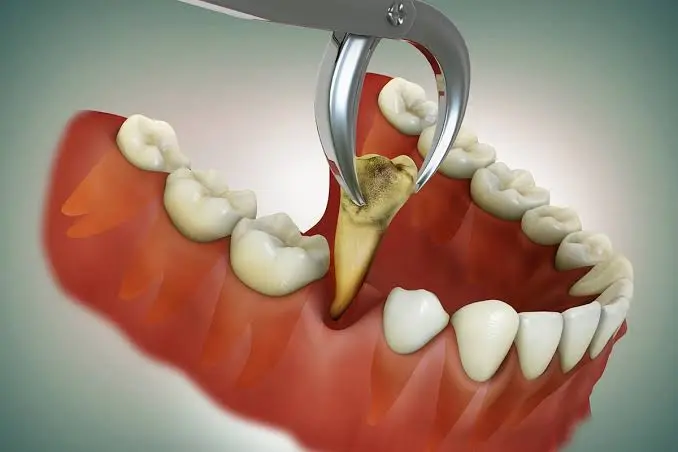
Some teeth cannot be removed using a straightforward extraction technique. Surgical tooth extraction may be required when a tooth is broken, deeply positioned, difficult to access, or has an unusual root configuration.
The procedure may involve carefully accessing the tooth and removing it in a controlled manner.
Surgical extraction can be considered for:
- Severely broken teeth
- Teeth with difficult root anatomy
- Teeth that are not fully erupted
- Teeth with limited access
- Certain complicated extraction cases
The procedure is planned according to the tooth’s position and surrounding anatomy.
Wisdom Tooth Removal
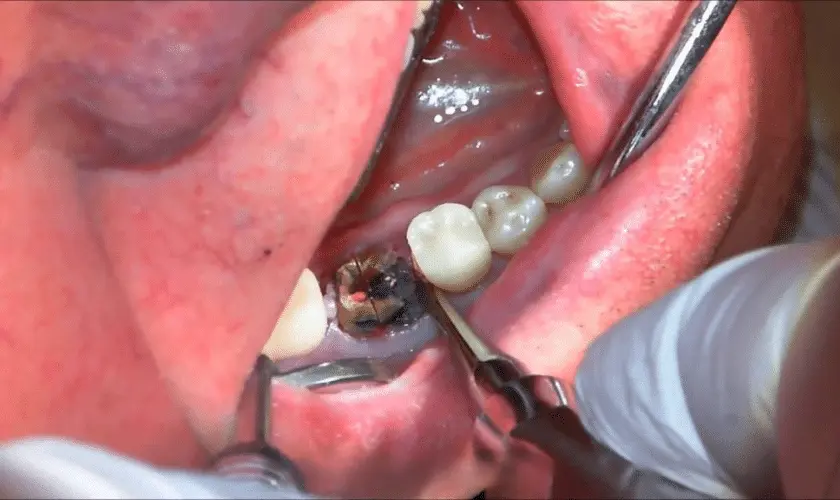
Wisdom teeth, also known as third molars, are the last teeth to develop at the back of the mouth. In some people, they erupt normally and do not require removal. In other cases, lack of space or abnormal positioning can cause problems.
Wisdom tooth removal may be considered when there are concerns such as:
- Repeated pain or swelling
- Infection around the tooth
- Tooth decay
- Difficulty maintaining hygiene
- Damage to neighbouring teeth
- Abnormal eruption
- Impacted wisdom teeth
- Other clinically significant problems
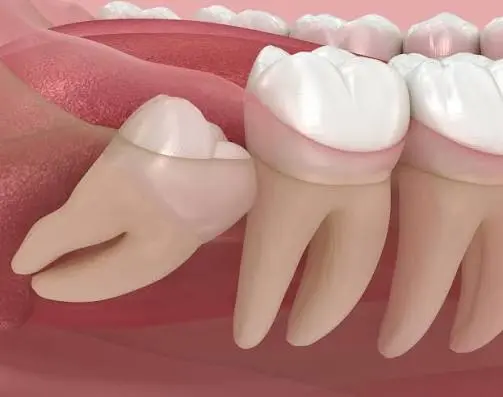
Impacted Tooth Management
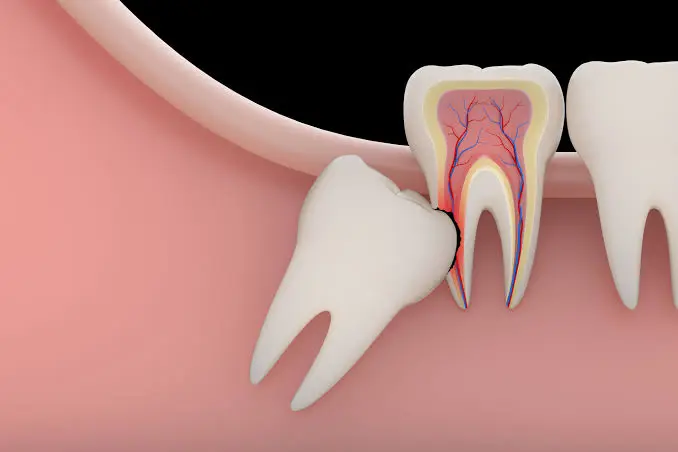
An impacted tooth is a tooth that does not erupt into its expected position or remains partially or completely trapped within the gum or bone.
Impacted teeth can sometimes affect neighbouring teeth or contribute to pain, infection, crowding, or other dental concerns.
Management depends on the tooth involved, its position, age, surrounding structures, and overall dental condition.
Treatment may include:
- Monitoring when appropriate
- Creating space for eruption
- Surgical exposure
- Orthodontic assistance to guide the tooth
- Surgical removal when necessary
Comprehensive Oral Surgery
Some patients may require more than a simple extraction. Comprehensive oral surgery involves evaluating and managing a variety of dental conditions that may require surgical intervention.
Depending on the individual case, treatment planning may involve:
- Complex tooth extraction
- Surgical tooth removal
- Wisdom tooth procedures
- Impacted tooth management
- Coordination with orthodontic treatment
- Management of dental infections
- Pre-restorative or pre-prosthetic surgical procedures
- Other appropriate oral surgical care
Every procedure is planned according to the patient’s clinical condition and treatment requirements.
When Might Tooth Extraction Be Recommended?
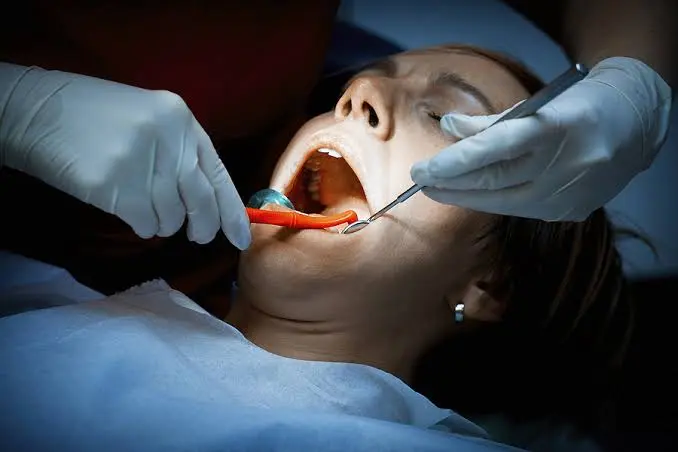
Tooth extraction is generally considered when preserving the natural tooth is not predictable or when removal is necessary for the patient’s overall dental treatment.
- Severely decayed teeth
- Teeth that cannot be restored
- Severe tooth fracture
- Persistent dental infection
- Advanced periodontal problems
- Impacted teeth
- Problematic wisdom teeth
- Teeth causing damage to neighbouring structures
- Orthodontic treatment requirements in selected cases
Tooth Extraction Aftercare
Following an extraction, proper aftercare is important for comfortable healing.
Your dentist may advise you to:
- Follow all post-operative instructions carefully
- Avoid disturbing the extraction site
- Maintain appropriate oral hygiene
- Choose suitable foods during the initial recovery period
- Avoid smoking or tobacco products
- Take prescribed or recommended medications as directed
- Attend follow-up appointments when advised
If you experience unusual or worsening symptoms after treatment, contact your dental care provider promptly.
Why Choose Dr. Deepika Yadav for Oral Surgery?
Dr. Deepika Yadav, BDS, MDS, FFA, combines dental surgical expertise with a comprehensive approach to oral health and smile care. Her treatment philosophy focuses on:
Detailed clinical evaluation
Personalized treatment planning
Appropriate use of diagnostic imaging
Gentle and precise dental procedures
Patient comfort and clear communication
Proper post-treatment guidance
Take the Right Step for Your Oral Health
Dr. Deepika Yadav provides personalized oral surgical care with an emphasis on patient comfort, appropriate treatment planning, and long-term oral health.Expert Care. Precise Treatment. Healthier Smiles.
Frequently Asked Questions (FAQs)
Is tooth extraction always necessary for a painful tooth?
No. A painful tooth may sometimes be treated with procedures such as fillings, root canal treatment, or other restorative care. Extraction is considered when the tooth cannot be predictably preserved or removal is otherwise clinically indicated.
When should a wisdom tooth be removed?
Wisdom tooth removal may be recommended when the tooth is causing or is likely to cause problems such as recurrent infection, decay, pain, damage to adjacent teeth, or other clinically significant concerns. Not every wisdom tooth requires removal.
What is the difference between simple and surgical extraction?
A simple extraction is generally performed when the tooth is accessible and can be removed without surgical access. Surgical extraction may be required when the tooth is difficult to access, broken, impacted, or has other complicating factors.
What is an impacted tooth?
An impacted tooth is one that fails to erupt normally into the mouth and may remain partially or completely covered by gum or bone.
Can an impacted tooth be saved?
In selected cases, an impacted tooth may be guided into its proper position with a combination of surgical and orthodontic treatment. In other situations, removal may be recommended. The appropriate approach depends on the individual case.
Is wisdom tooth removal painful?
The procedure is performed with appropriate local anaesthesia to help prevent pain during treatment. Some soreness, swelling, or discomfort may occur during the recovery period and is generally managed according to your dentist’s instructions.
How long does it take to recover after tooth extraction?
Recovery varies depending on the type of extraction, the tooth involved, the individual’s healing response, and other factors. Your dentist will provide specific aftercare instructions and advise you about follow-up.
Can I eat normally after a tooth extraction?
You may need to modify your diet temporarily following extraction. Your dentist will advise you about suitable foods and when you can gradually return to your normal diet.
Should I replace a tooth after extraction?
Depending on the location and function of the missing tooth, replacement may be recommended. Options can include dental implants, bridges, or dentures. Your dentist can discuss appropriate tooth replacement options after evaluating your oral health.
What should I do if I have severe pain or swelling?
Severe pain, significant swelling, persistent bleeding, or other concerning symptoms should be assessed by a dental professional. Contact your dentist promptly for appropriate advice and care.