Orthodontics & Bite Correction
Straighten Your Teeth. Improve Your Bite. Create a Confident Smile.
A well-aligned smile is about more than appearance. Proper tooth alignment and bite can support comfortable chewing, easier oral hygiene, healthy jaw function, and overall smile aesthetics.
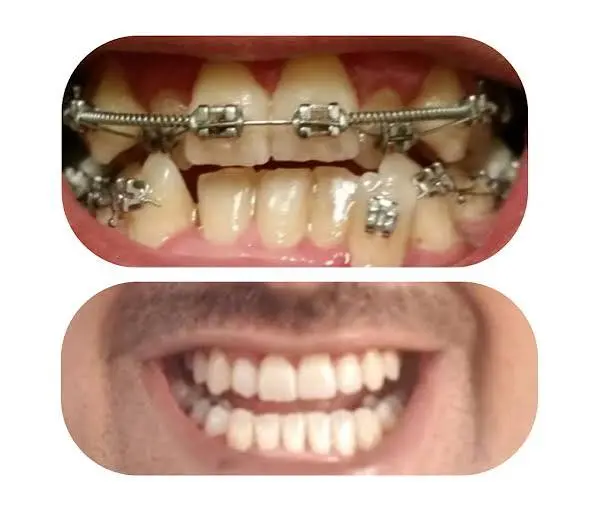
Orthodontics & Bite Correction focuses on diagnosing and treating problems related to crooked teeth, crowding, spacing, improper bites, jaw development, and tooth positioning. At Dr. Deepika Yadav’s clinic, treatment is customized according to your age, dental condition, facial growth, bite, and individual smile goals.
From traditional braces and clear aligners to specialized appliances, mini-implants, early orthodontic treatment, and retainers, we offer comprehensive orthodontic solutions for children, teenagers, and adults.
Straight Teeth. Balanced Bite. Confident Smile.
Our Orthodontic & Bite Correction Services
Orthodontic Consultation & Diagnosis
Metal & Ceramic Braces
Self-Ligating Braces
Lingual Orthodontics
Clear Aligners / Invisible Braces
Removable, Functional & Myofunctional Appliances
Expansion Appliances
Interceptive & Early Orthodontic Treatment
Growth Modification
Crowding & Spacing Correction
Overbite / Deep Bite Correction
Open Bite & Crossbite Correction
Class II & Class III Malocclusion Correction
Impacted Tooth Management
Orthodontic Mini-Implants / TADs
Orthodontic Retainers
Relapse Management & Orthodontic Retreatment
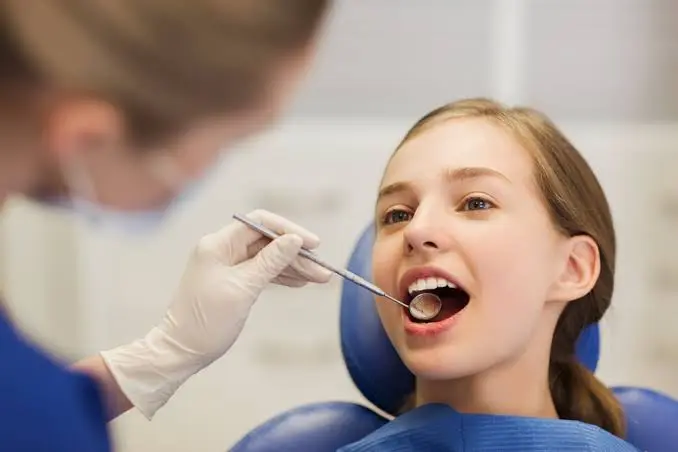
Orthodontic Consultation & Diagnosis
Every successful orthodontic treatment begins with an accurate diagnosis. During your consultation, your teeth, bite, jaw relationship, facial balance, and overall oral health are assessed.
Your evaluation may include:
- Assessment of tooth alignment
- Bite and jaw relationship evaluation
- Identification of crowding and spacing
- Assessment of tooth eruption and development
- Evaluation of facial growth
- Appropriate dental records or imaging when required
Based on the findings, a personalized orthodontic treatment plan can be developed.
Metal & Ceramic Braces
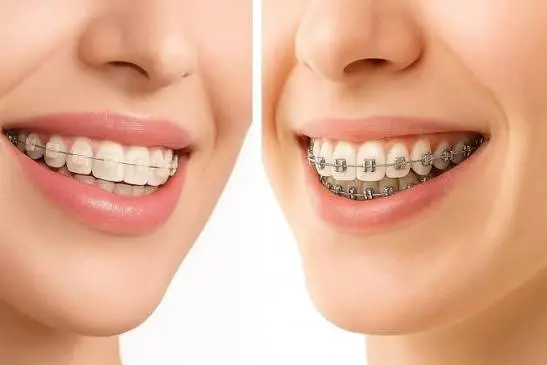
Braces use controlled forces to gradually move teeth into more appropriate positions.
Metal Braces
Traditional metal braces remain a reliable option for treating a wide range of orthodontic problems, including significant crowding and bite abnormalities.
Ceramic Braces
Ceramic braces are designed to provide a more discreet appearance while working on similar orthodontic principles.
The appropriate brace system depends on your orthodontic condition, treatment goals, lifestyle, and clinical requirements.
Self-Ligating Braces
Self-ligating braces use specialized brackets designed to hold the orthodontic wire without conventional elastic ligatures.
They may be considered as an alternative fixed orthodontic system for suitable patients. The choice of appliance depends on the individual’s alignment and bite requirements.
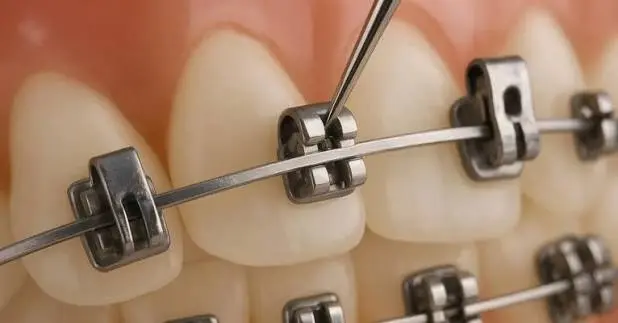
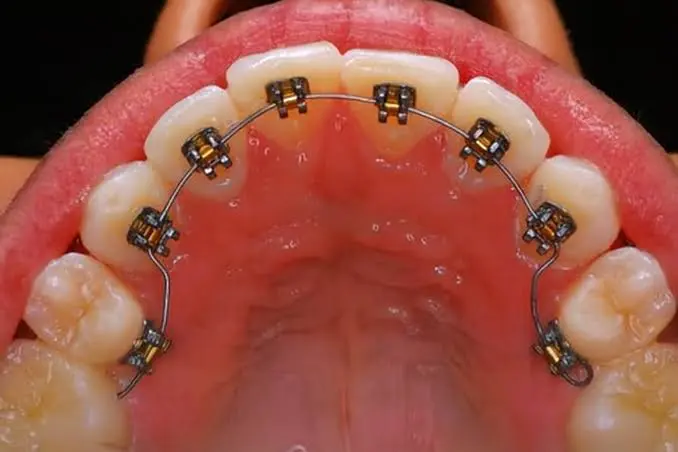
Lingual Orthodontics
Lingual orthodontics places braces on the inner surfaces of the teeth, making the appliance less visible from the front.
It can be an option for patients looking for a more discreet fixed orthodontic treatment. Suitability depends on factors such as tooth position, bite, treatment complexity, and individual anatomy.
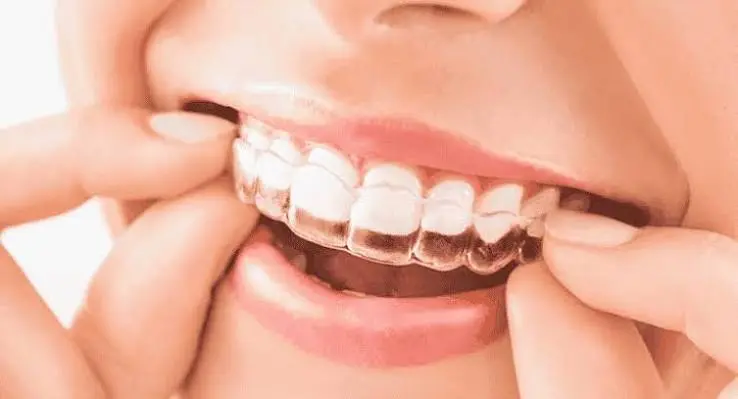
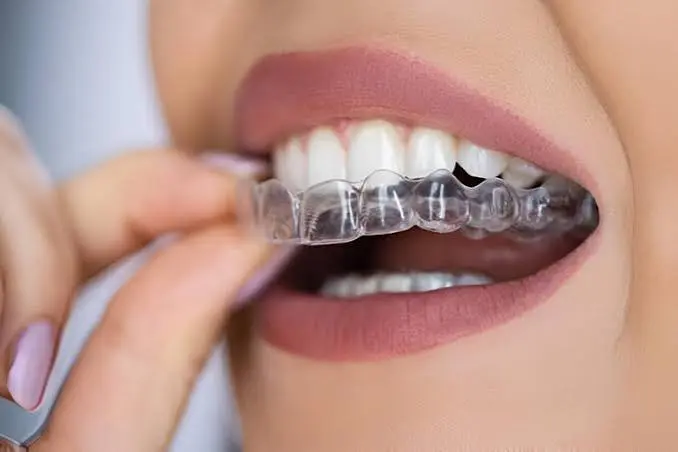
Clear Aligners / Invisible Braces
Clear aligners are removable, transparent orthodontic appliances designed to gradually move teeth toward planned positions.
They may be suitable for selected cases involving problems such as:
- Mild to moderate crowding
- Certain spacing problems
- Selected bite corrections
- Minor tooth movement
Clear aligners need to be worn as instructed to achieve the planned tooth movements. Your orthodontic assessment will determine whether aligners are appropriate for your case.
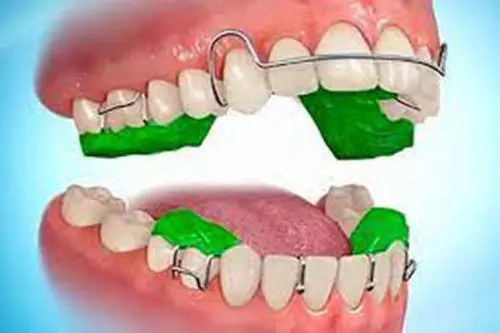
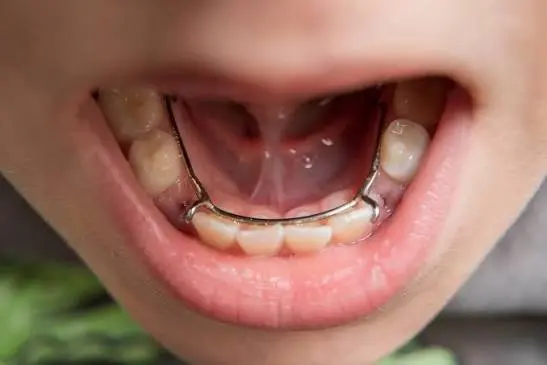
Removable, Functional & Myofunctional Appliances
Different orthodontic appliances can be used to influence tooth position, oral function, or jaw development in appropriately selected patients.
Removable appliances can help with specific tooth movements or orthodontic corrections.
Functional and myofunctional appliances may be recommended during growth when the treatment plan requires modification of jaw relationships or correction of certain functional patterns.
The type of appliance depends on the patient’s age, growth stage, bite, and specific orthodontic needs.
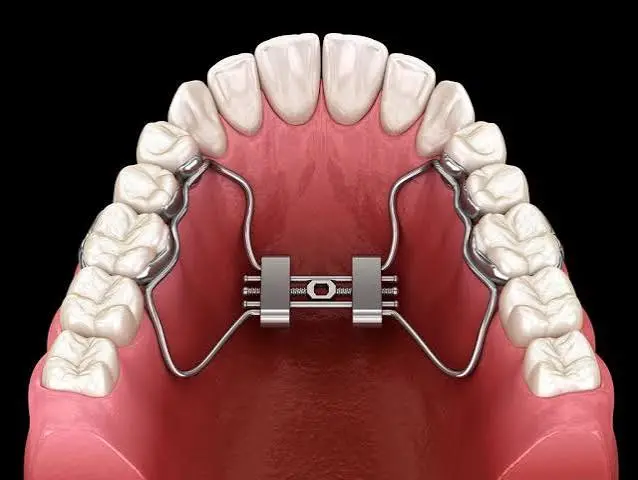
Expansion Appliances
Expansion appliances are designed to increase the width of a dental arch when clinically indicated.
They may be considered for certain patients with:
- Narrow dental arches
- Crossbite
- Insufficient space
- Specific developing bite problems
Expansion treatment is carefully planned according to the patient’s age, growth, dental development, and skeletal or dental characteristics.
Interceptive & Early Orthodontic Treatment
Some orthodontic problems are easier to manage when identified during childhood growth.
Interceptive orthodontics focuses on addressing developing problems before they become more complicated. Treatment may involve space management, expansion, eruption guidance, or specific orthodontic appliances.
Early evaluation can help identify: Developing crowding, Crossbite, Abnormal tooth eruption, Space problems, Jaw growth concerns, Habits affecting dental development
Not every child requires early treatment, but an orthodontic evaluation can help determine the appropriate timing.
Growth Modification
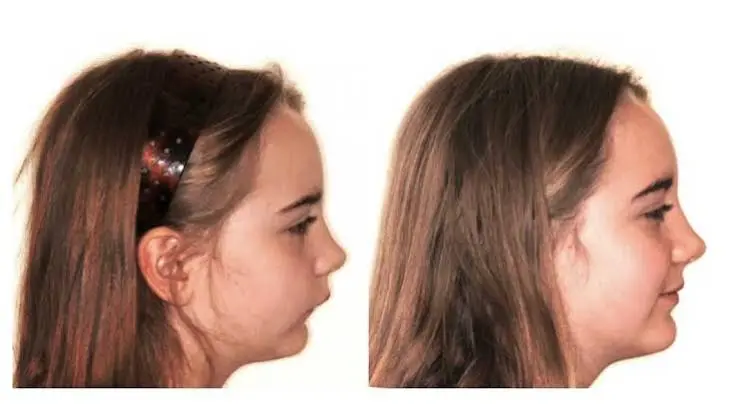
In growing children and adolescents, certain orthodontic appliances may be used to influence developing jaw relationships when clinically appropriate.
Growth modification is planned according to the child’s growth stage, skeletal relationship, facial development, and specific orthodontic problem.
Early assessment is particularly important because the timing of treatment can influence available treatment options.
Crowding & Spacing Correction
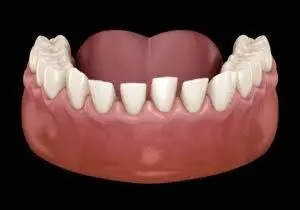
Crowding occurs when there is insufficient space for teeth to align properly, while spacing refers to excessive gaps between teeth.
Orthodontic treatment can help move teeth into more appropriate positions and improve the overall alignment of the smile.
Treatment options may include braces, clear aligners, expansion, or other orthodontic appliances depending on the underlying cause.
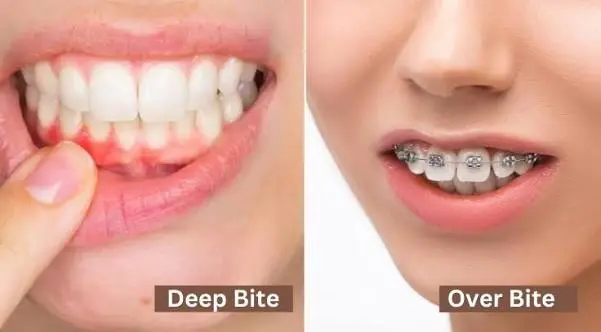
Overbite / Deep Bite Correction
A deep bite or excessive overbite occurs when the upper front teeth overlap the lower teeth more than expected.
Depending on the cause and severity, treatment may involve braces, aligners, bite-correcting appliances, or other orthodontic approaches.
The treatment objective is to improve the relationship between the upper and lower teeth while supporting proper function.
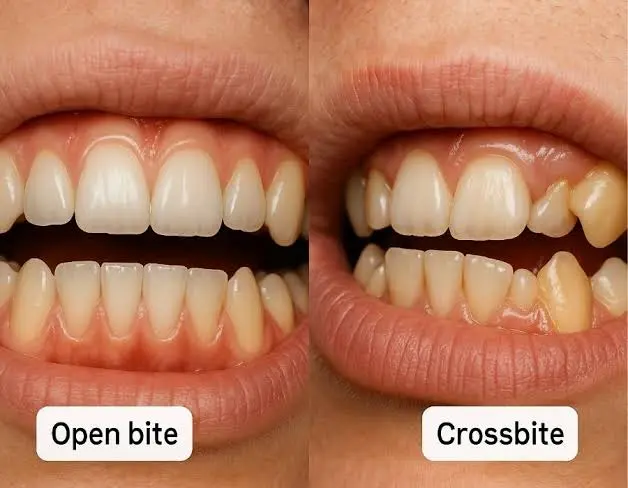
Open Bite & Crossbite Correction
Open Bite
An open bite occurs when certain upper and lower teeth do not meet properly when the mouth is closed.
Crossbite
A crossbite occurs when one or more teeth are positioned inside or outside their expected relationship with the opposing teeth.
Treatment depends on the cause, severity, age, and growth stage and may involve orthodontic appliances, expansion, braces, aligners, or other appropriate methods.
Class II & Class III Malocclusion Correction
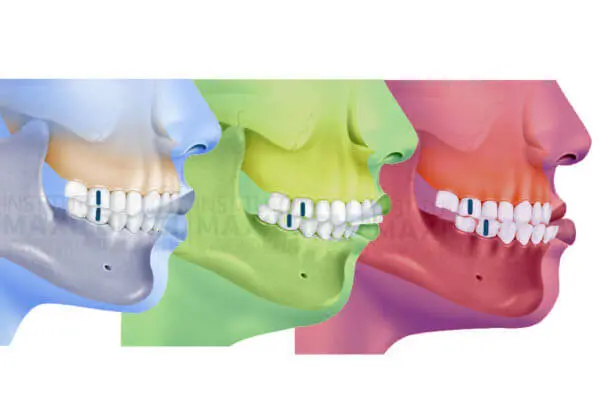
Malocclusion refers to an improper relationship between the upper and lower teeth or jaws.
Class II Malocclusion
Class II problems may involve the upper teeth or jaw being positioned relatively forward compared with the lower jaw.
Class III Malocclusion
Class III problems may involve the lower teeth or jaw being positioned relatively forward compared with the upper jaw.
Treatment depends on the patient’s age, skeletal and dental relationship, severity, and growth stage. Options may include orthodontic appliances, growth modification, braces, aligners, or other treatments when appropriate.
Impacted Tooth Management
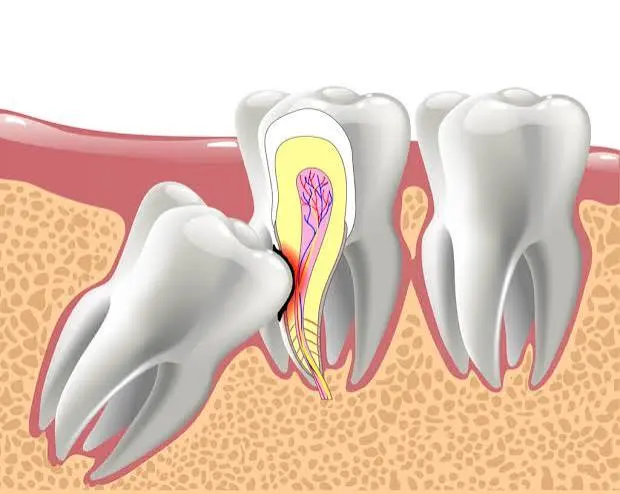
An impacted tooth is a tooth that does not erupt into its expected position.
Impacted teeth can sometimes affect surrounding teeth or create orthodontic complications. Treatment may involve monitoring, creating space, orthodontic traction, or coordination with other dental specialists when necessary.
Early diagnosis can be particularly useful when tooth eruption is not progressing normally.
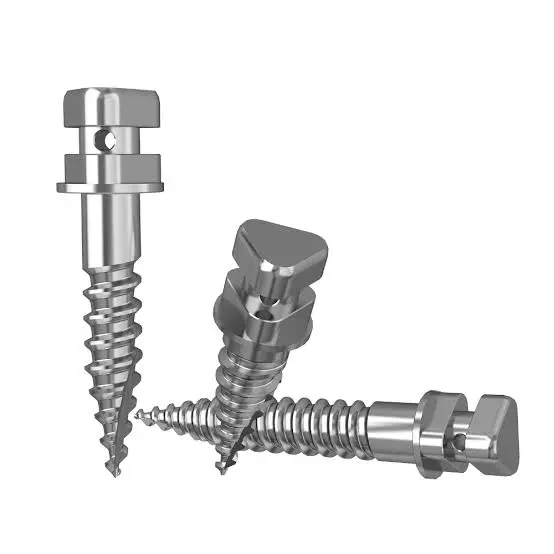
Orthodontic Mini-Implants / TADs
Temporary Anchorage Devices (TADs), also known as orthodontic mini-implants, can provide additional anchorage during specific orthodontic movements.
They may be used when greater control is required for movements such as:
- Intrusion of teeth
- Retraction
- Space closure
- Correction of certain bite problems
- Complex tooth movements
TADs are considered only when clinically appropriate and form part of a carefully planned orthodontic treatment strategy.
Orthodontic Retainers
Retainers play an important role after active orthodontic treatment. Once teeth have been moved into their planned positions, retainers help maintain the result.
Depending on the treatment plan, retainers may be:
- Removable
- Fixed
- Clear
- Other customized designs
Following your orthodontist’s retention instructions is essential because teeth can naturally shift over time.
Relapse Management & Orthodontic Retreatment
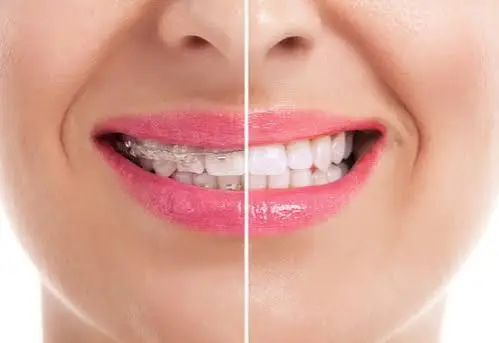
Teeth can shift after orthodontic treatment, particularly when retainers are not worn as recommended. This movement is known as orthodontic relapse.
If your teeth have moved after previous orthodontic treatment, an assessment can determine the appropriate approach. Depending on the extent of relapse, treatment may involve: New retainers, Limited orthodontic correction, Clear aligners, Braces, Comprehensive retreatment. The treatment plan is customized according to your current alignment and bite.
Orthodontics for Children, Teens & Adults
Children
Early orthodontic evaluation can help identify developing problems with tooth eruption, jaw growth, spacing, and bite.
Teenagers
Adolescence is a common stage for comprehensive orthodontic treatment as permanent teeth have generally erupted and the jaws are still developing.
Adults
Adults can also benefit from orthodontic treatment using braces, clear aligners, or other suitable orthodontic systems.
Why Choose Dr. Deepika Yadav for Orthodontic Care?
With expertise in Orthodontics, Dental Surgery, and Facial Aesthetics, Dr. Deepika Yadav takes a comprehensive approach to smile and bite correction.Our approach focuses on:
Detailed orthodontic evaluation
Personalized treatment planning
Treatment options for children and adults
Focus on both teeth and bite
Consideration of facial aesthetics
Modern orthodontic techniques
Regular monitoring throughout treatment
Retention and long-term smile stability
Begin Your Journey Towards a Better-Aligned Smile
Dr. Deepika Yadav provides personalized orthodontic care focused on healthy alignment, balanced bite, functional improvement, and confident smiles. Straighten Your Teeth. Correct Your Bite. Smile with Confidence.
Frequently Asked Questions (FAQs)
At what age should a child visit an orthodontist?
An orthodontic evaluation can be useful during childhood, particularly when there are concerns about tooth eruption, crowding, crossbite, jaw development, or other orthodontic problems. The appropriate timing varies from child to child.
Are braces only for children and teenagers?
No. Adults can also receive orthodontic treatment. Braces, clear aligners, and other options may be suitable depending on the patient’s dental and orthodontic condition.
Are clear aligners suitable for everyone?
No. Clear aligners are effective for many orthodontic problems, but not every case is suitable for aligner treatment. A detailed orthodontic assessment is required to determine whether they are appropriate.
How long does orthodontic treatment take?
Treatment duration varies depending on the complexity of the case, type of orthodontic problem, treatment method, patient cooperation, and individual tooth movement. A more personalized estimate can be provided after examination.
What is the difference between metal and ceramic braces?
Both are fixed orthodontic systems. Metal braces use traditional metal brackets, while ceramic braces use tooth-coloured or more discreet brackets. Your orthodontist can help determine which option suits your treatment needs and preferences.
What is a TAD in orthodontics?
A Temporary Anchorage Device (TAD) is a small orthodontic mini-implant that can provide additional anchorage for specific tooth movements during treatment.
Why are retainers needed after braces?
Teeth can naturally move after orthodontic treatment. Retainers help maintain the corrected positions and reduce the likelihood of significant relapse.
Can an impacted tooth be corrected with orthodontic treatment?
In selected cases, an impacted tooth may be guided into a more appropriate position using orthodontic treatment, sometimes in coordination with a surgical procedure. The appropriate approach depends on the tooth and individual circumstances.
Can orthodontics correct an overbite or crossbite?
Yes. Orthodontic treatment can correct many types of bite problems, including overbite, deep bite, and crossbite. The treatment approach depends on the underlying dental and skeletal cause.
Can orthodontic treatment improve my facial appearance?
Orthodontic treatment can improve tooth alignment and bite relationships, which may contribute to improved smile aesthetics and facial balance. Treatment is planned according to each patient’s dental and facial characteristics.