Advanced Non-Surgical Treatment for Enlarged Prostate
Benign Prostatic Hyperplasia (BPH), commonly known as enlarged prostate, is a common condition in aging men that can significantly affect quality of life. Prostatic Artery Embolization (PAE) is a modern, minimally invasive treatment that helps relieve urinary symptoms without major surgery.
PAE is performed by an Interventional Radiologist using advanced imaging guidance to reduce blood supply to the enlarged prostate, causing it to shrink naturally over time.
What Is BPH (Enlarged Prostate)?
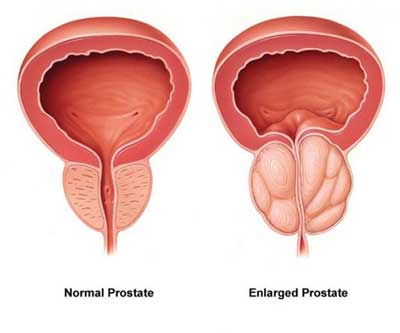
BPH is a non-cancerous enlargement of the prostate gland that commonly occurs with age. As the prostate enlarges, it can press against the urethra and interfere with normal urination.
Common Symptoms of BPH
- Frequent urination, especially at night
- Difficulty starting urination
- Weak urine stream
- Incomplete bladder emptying
- Sudden urge to urinate
- Urinary retention
- Interrupted urine flow
What Is Prostatic Artery Embolization (PAE)?
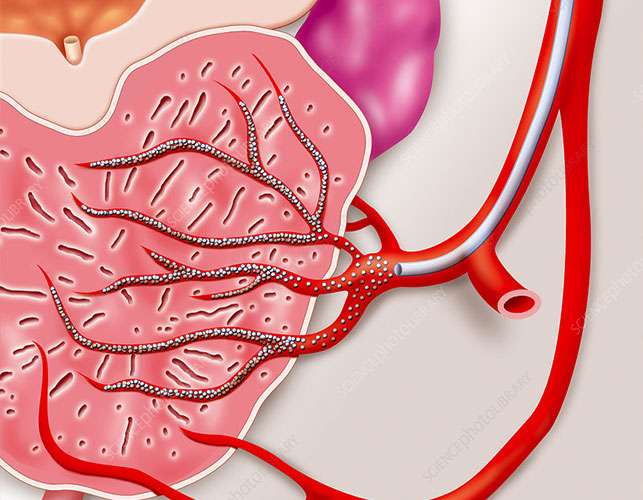
Prostatic Artery Embolization is a minimally invasive procedure in which tiny particles are injected into the arteries supplying the prostate gland. These particles block blood flow to the enlarged prostate tissue, causing it to shrink and relieve urinary symptoms.
The procedure is performed through a tiny puncture in the wrist or groin without the need for open surgery.
Benefits of PAE for BPH
- Non-surgical treatment option
- No major cuts or stitches
- Minimally invasive procedure
- Reduced risk of complications
- Faster recovery time
- Short hospital stay or daycare procedure
- Preservation of sexual function in many patients
- Minimal blood loss
- Effective symptom relief
Who Is a Candidate for PAE?
PAE may be suitable for patients who:
- Have moderate to severe BPH symptoms
- Want to avoid surgery
- Are not fit for anesthesia or major surgery
- Have large prostate size
- Are experiencing urinary retention
- Want a minimally invasive treatment option
How Is the Procedure Performed?
Step 1: Imaging & Evaluation
Detailed imaging studies are performed to assess the prostate and blood vessels.
Step 2: Catheter Placement
A tiny catheter is inserted through the wrist or groin artery under local anesthesia.
Step 3: Embolization
Tiny embolic particles are delivered into the prostatic arteries to reduce blood flow to the enlarged gland.
Step 4: Recovery
Most patients return home the same day or within 24 hours and gradually experience improvement in urinary symptoms.
Recovery After PAE
- Minimal discomfort after the procedure
- Most patients resume normal activities within a few days
- Improvement in symptoms may begin within weeks
- Regular follow-up helps monitor recovery and results
Why Choose Us?
- Expertise in advanced Interventional Radiology procedures
- Minimally invasive prostate treatments
- Advanced imaging-guided techniques
- Personalized patient care
- Focus on safety, comfort, and faster recovery