

Mastoid Surgery for Unsafe Ear Disease
What is Unsafe Ear Disease?
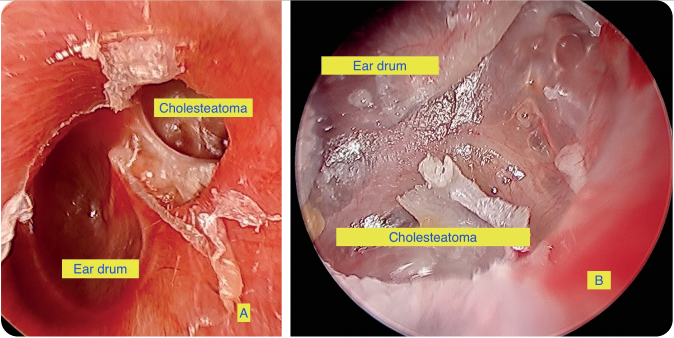
Unsafe ear disease refers to a serious type of chronic ear infection, medically known as Chronic Suppurative Otitis Media, where infection spreads to the bone behind the ear (mastoid). It is often associated with a dangerous condition called Cholesteatoma, which can damage surrounding structures if left untreated.
What is Mastoid Surgery?
Mastoid surgery (Mastoidectomy) is a procedure performed to remove infected or diseased air cells in the mastoid bone and clear the infection from the middle ear. The goal is to create a safe, dry ear and prevent serious complications.
When is Mastoid Surgery Needed?
This surgery is recommended for patients who:
- Have persistent or foul-smelling ear discharge
- Are diagnosed with cholesteatoma
- Experience hearing loss due to chronic infection
- Have complications like dizziness, facial weakness, or severe pain
- Do not respond to medications or conservative treatment
Symptoms of Unsafe Ear Disease
- Continuous ear discharge (often foul-smelling)
- Hearing loss
- Ear pain or pressure
- Dizziness or imbalance
- Headache in severe cases
Types of Mastoid Surgery
Depending on the severity, different techniques may be used:
- Canal Wall Up Mastoidectomy – preserves ear canal structure
- Canal Wall Down Mastoidectomy – removes disease extensively and creates an open cavity for long-term safety
Benefits of Mastoid Surgery
- Removes infection completely
- Prevents life-threatening complications
- Stops persistent ear discharge
- Improves ear health and stability
- May improve or preserve hearing
How is the Procedure Performed?
- Usually done under general anesthesia
- An incision is made behind the ear
- Diseased mastoid bone and infected tissue are removed
- The middle ear may be reconstructed if required
- Surgery typically takes 2–3 hours
Recovery and Aftercare
- Hospital stay may be required for 1–2 days
- Mild pain or swelling is normal
- Regular dressing and follow-up visits are essential
- Avoid water entry into the ear
- Full recovery may take a few weeks
Risks and Complications
Mastoid surgery is generally safe, but rare risks include:
- Hearing loss
- Dizziness
- Facial nerve weakness (temporary or very rare permanent)
- Infection or recurrence of disease
When to See an ENT Specialist?
Seek immediate medical attention if you experience:
- Persistent ear discharge
- Hearing problems
- Vertigo or balance issues
- Swelling or pain behind the ear
Why Choose Mastoid Surgery?
Untreated unsafe ear disease can lead to serious complications, including spread of infection to nearby structures. Mastoid surgery is a highly effective procedure to eliminate disease, protect hearing, and ensure long-term ear health.

