Advanced Minimally Invasive Drainage Procedures

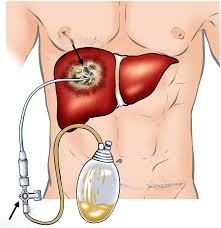
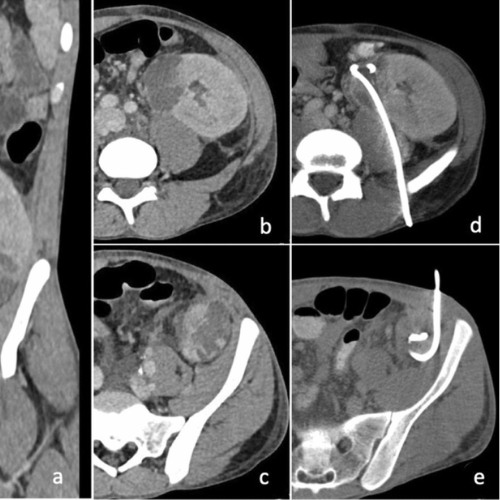
Drainage procedures are minimally invasive treatments used to remove abnormal fluid, pus, blood, or infected collections from the body. These procedures are performed using advanced imaging guidance such as ultrasound or CT scan to ensure precise and safe placement of drainage catheters.

Image-guided drainage procedures help relieve pain, control infection, and prevent complications without the need for major surgery.

What Is a Drainage Procedure?

A drainage procedure involves inserting a thin needle or catheter into an abnormal fluid collection to remove infected or excess fluid from the body.

These procedures are commonly used to treat:

  • Abscesses
  • Fluid collections
  • Pus accumulation
  • Post-surgical collections
  • Organ-related infections

Conditions That May Require Drainage

Abdominal & Pelvic Collections

Liver abscess, Pancreatic fluid collection, Pelvic abscess, Abdominal infections.
Chest & Lung
Conditions

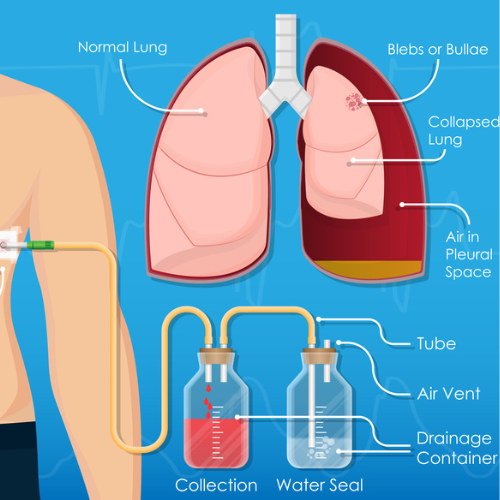
Pleural effusion, Empyema (infected fluid in chest), Lung abscess.
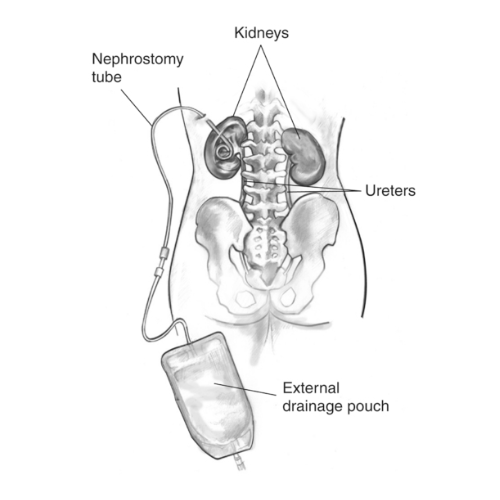
Kidney & Urinary Conditions

Kidney abscess, Urinary obstruction requiring drainage.
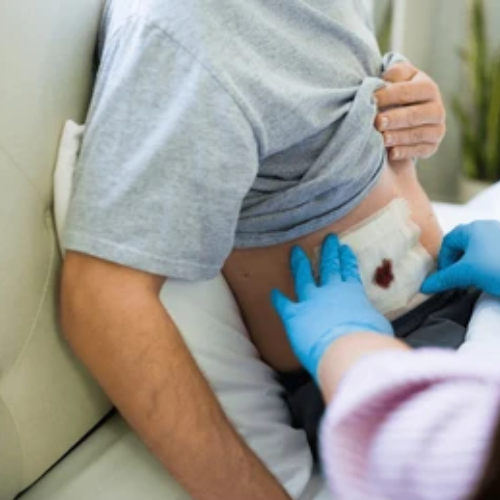
Post-Surgical or Trauma Collections

Hematoma, Seroma, Infected post-operative fluid collections.

Types of Drainage Procedures

Ultrasound-Guided Drainage

Real-time ultrasound imaging helps accurately place drainage catheters into fluid collections.

CT-Guided Drainage

CT imaging is used for deep or complex fluid collections that are difficult to access.

Percutaneous Catheter Drainage

A small catheter is placed through the skin to continuously drain infected or abnormal fluid.

Biliary & Urinary Drainage

Specialized procedures used to drain blocked bile ducts or kidneys.

How Is the Procedure Performed?

Step 1: Imaging Evaluation

Ultrasound or CT scan is used to locate the fluid collection.

Step 2: Local Anesthesia

The procedure is usually performed under local anesthesia for patient comfort.

Step 3: Needle or Catheter Placement

A thin needle or catheter is inserted through a tiny skin puncture into the targeted area.

Step 4: Fluid Drainage

The fluid is drained safely, and samples may be sent for laboratory testing if needed.

Step 5: Recovery

Most patients recover quickly and may go home the same day or after a short hospital stay.

Benefits of Minimally Invasive
Drainage Procedures

  • No major surgery
  • Smaller skin puncture with minimal scarring
  • Faster recovery time
  • Reduced pain and discomfort
  • Effective infection control
  • Image-guided precision

Who May Need a Drainage Procedure?

You may require a drainage procedure if you:

  • Have an abscess or infected fluid collection
  • Experience abdominal or chest fluid buildup
  • Develop post-surgical fluid accumulation
  • Have fever or pain due to infection
  • Need minimally invasive treatment for fluid drainage

Why Choose Us?

  • Expertise in advanced image-guided procedures
  • State-of-the-art ultrasound and CT guidance
  • Minimally invasive treatment approach
  • Personalized patient care
  • Safe and precise interventions
  • Focus on faster recovery and comfort