Advanced Minimally Invasive Care for Bile Duct & Gallbladder Disorders
Biliary tract diseases affect the bile ducts, gallbladder, and related structures responsible for transporting bile from the liver to the intestine. Conditions affecting the biliary system can lead to pain, infection, jaundice, and digestive problems if left untreated.
Modern Interventional Radiology offers minimally invasive, image-guided procedures that help diagnose and treat biliary tract diseases with precision, reduced discomfort, and faster recovery compared to traditional surgery.
What Are Biliary Tract Diseases?
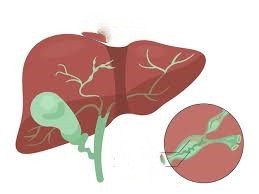
The biliary tract includes the bile ducts, gallbladder, and associated channels that carry bile, which helps digest fats. Diseases of the biliary system may occur due to blockage, infection, stones, inflammation, or tumors.
Common Biliary Tract Conditions
- Bile duct obstruction
- Gallstones in bile ducts
- Biliary strictures
- Cholangitis (bile duct infection)
- Bile leaks
- Malignant biliary obstruction
- Gallbladder inflammation
- Pancreaticobiliary tumors
Common Symptoms
- Yellowing of skin and eyes (Jaundice)
- Abdominal pain
- Fever and chills
- Nausea and vomiting
- Dark urine
- Pale-colored stools
- Loss of appetite
- Itching
- Unexplained weight loss
Advanced Minimally Invasive Treatments
Percutaneous Transhepatic Biliary Drainage (PTBD)
A minimally invasive procedure used to drain blocked bile ducts and relieve jaundice.
Biliary Stenting
Placement of a stent inside the bile duct to restore normal bile flow in cases of obstruction or narrowing.
Image-Guided Drainage Procedures
Drainage of infected fluid collections or abscesses using ultrasound or CT guidance.
Cholangiography
Advanced imaging procedure used to evaluate bile duct abnormalities and blockages.
Tumor-Related Biliary Interventions
Minimally invasive procedures for managing bile duct obstruction caused by cancers of the liver, pancreas, or biliary system.
Benefits of Interventional Radiology Treatments
- Minimally invasive procedures
- No major surgical cuts
- Faster recovery time
- Reduced pain and complications
- Shorter hospital stay
- Improved bile drainage and symptom relief
- Suitable for high-risk surgical patients
- Image-guided precision treatment
Who May Need Treatment?
- Have jaundice or bile duct blockage
- Experience recurrent gallbladder or bile duct infections
- Have tumors causing biliary obstruction
- Need non-surgical bile drainage
- Are unfit for major surgery
- Require emergency relief from blocked bile ducts
Why Choose Us?
- Expertise in advanced biliary interventions
- State-of-the-art imaging technology
- Personalized treatment planning
- Multidisciplinary patient care
- Focus on minimally invasive solutions
- Dedicated post-procedure care and follow-up