Autoimmune Salivary Gland Involvement – Comprehensive Evaluation & Care
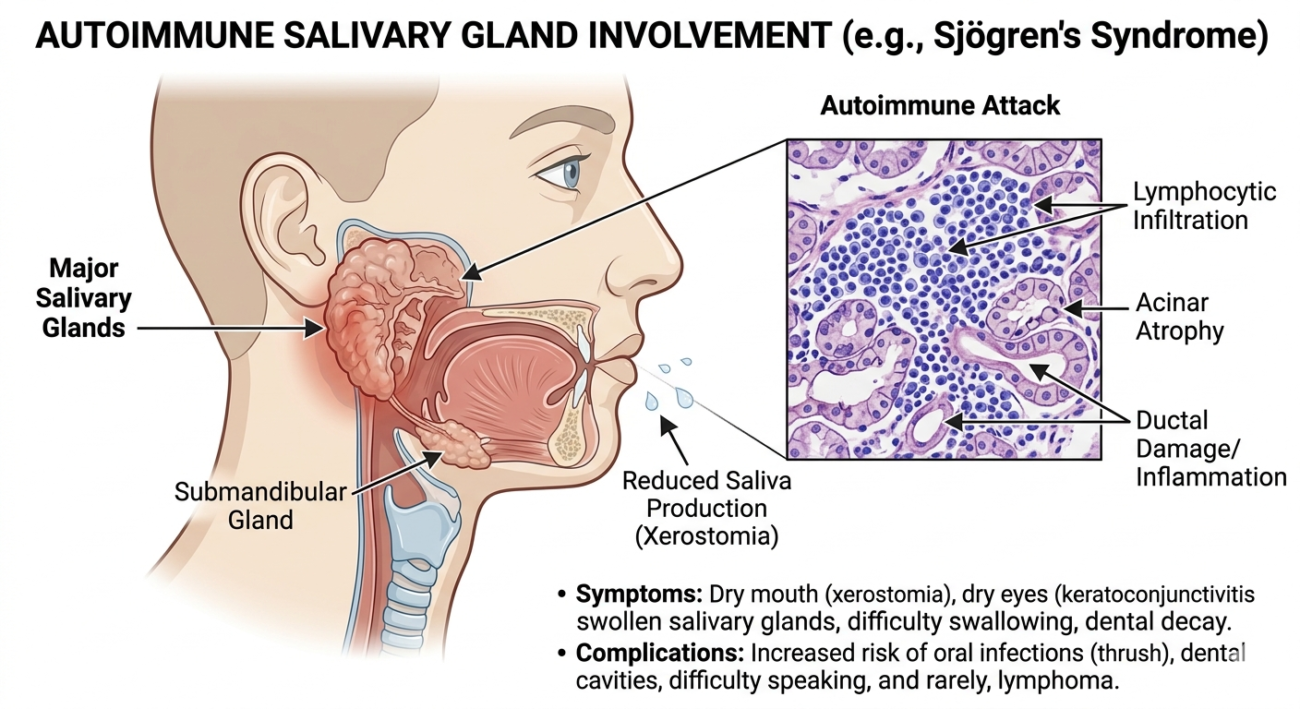
Autoimmune salivary gland disorders occur when the body’s immune system mistakenly attacks the salivary glands, leading to chronic inflammation, reduced saliva production, and gland dysfunction. This can significantly impact oral health, digestion, and overall quality of life.At the clinic of Dr Varun Rai, a structured and advanced approach is followed to diagnose and manage autoimmune conditions affecting the salivary glands, with a focus on preserving gland function and improving patient comfort.

Symptoms
● Persistent dry mouth (xerostomia)
● Difficulty in swallowing or speaking
● Swelling of salivary glands (especially near jaw or ears)
● Recurrent infections
● Dry eyes and general fatigue (in systemic conditions)
Diagnosis
● Detailed medical history and examination
● Blood tests for autoimmune markers
● Ultrasound imaging of salivary glands
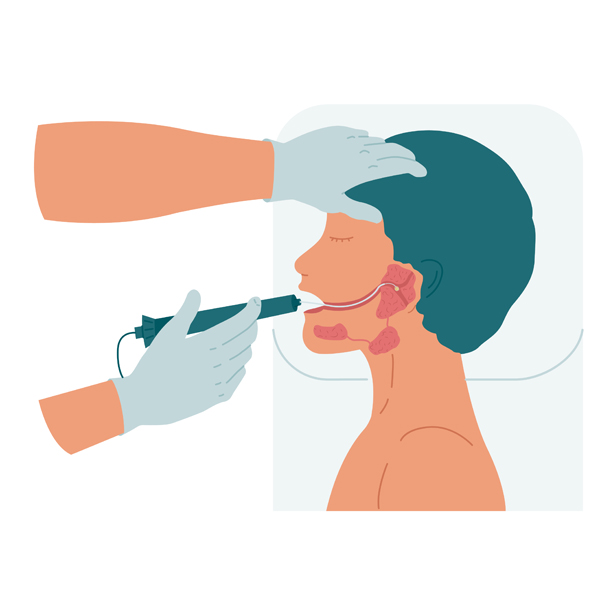
● Sialendoscopy for direct visualization of ductal system
● In selected cases, biopsy for confirmation
Treatment Approach
Management focuses on symptom relief, controlling inflammation, and preserving gland function:
1. Medical Management
● Hydration and saliva substitutes
● Medications to stimulate saliva production
● Anti-inflammatory and immunomodulatory therapy (in coordination with specialists)
2. Sialendoscopy-Based Management
Sialendoscopy plays an important role in managing ductal inflammation and blockage associated with autoimmune conditions.
Benefits include:
● Ductal cleansing and irrigation
● Removal of inflammatory debris
● Improved salivary flow
● Minimally invasive and gland-preserving
3. Preventive Care
● Maintaining oral hygiene
● Regular dental care
● Managing dryness-related complications
Why Choose Us
● Expertise in salivary gland disorders and sialendoscopy
● Multidisciplinary approach for autoimmune conditions
● Focus on minimally invasive, gland-preserving treatments
● Personalized care tailored to long-term management