Treatment of Salivary Duct Stenosis –Advanced, Gland-Preserving Care

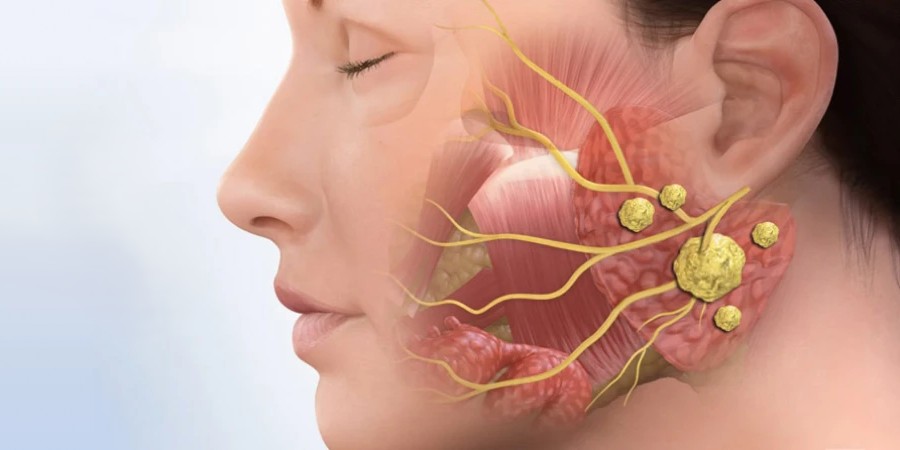
Salivary duct stenosis refers to the abnormal narrowing of the salivary gland ducts,which obstructs the normal flow of saliva. This condition can lead to recurrent swelling, pain,dryness of mouth, and repeated infections—especially during meals when saliva production increases.At the clinic of Dr Varun Rai, the focus is on accurate diagnosis and minimally invasive, gland-preserving treatments to restore normal salivary function and provide long-term relief.

Goals of Treatment

● Restore normal saliva flow
● Relieve pain and swelling
● Prevent recurrent infections
● Preserve the natural salivary gland

Expected Outcomes

● Significant relief from pain and swelling
● Improved salivary flow
● Reduced recurrence of symptoms
● Faster recovery with minimal downtime

Treatment Options

1. Sialendoscopy (Gold Standard Treatment)

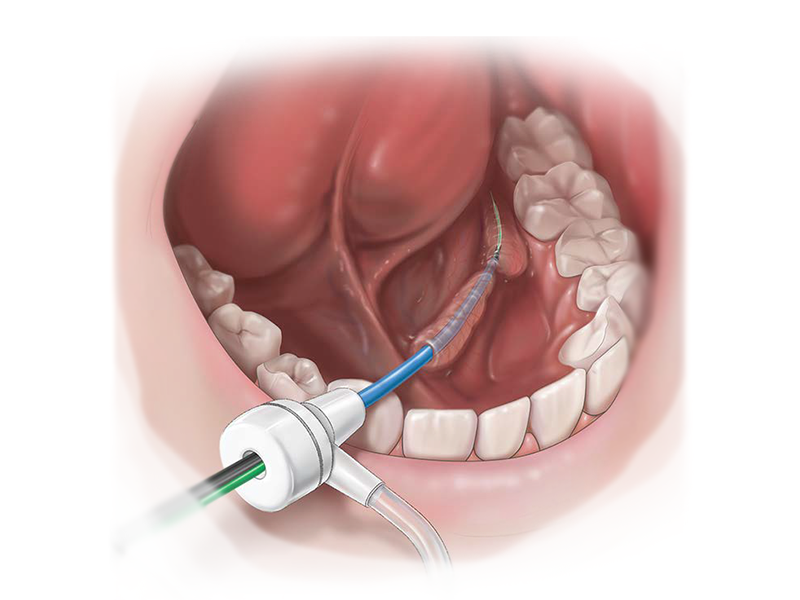
Sialendoscopy is the most advanced and preferred method for treating salivary duct stenosis. A thin endoscope is inserted into the duct to directly visualize and treat the narrowing.

Procedures performed during sialendoscopy:

● Ductal dilatation (widening of the narrowed segment)
● Removal of mucus plugs or debris
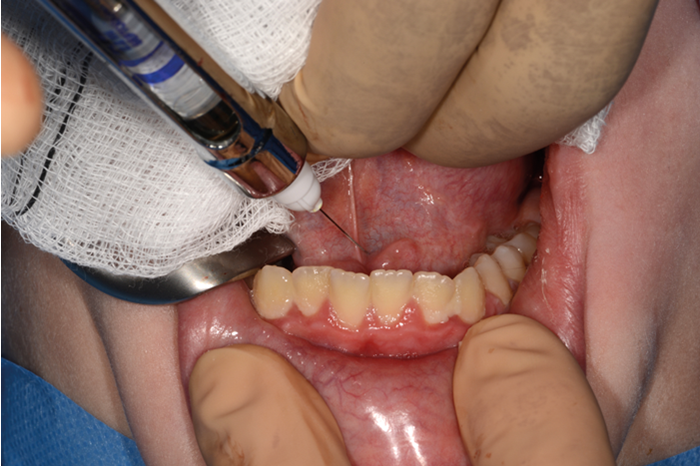
● Irrigation of the duct with medicated solutions

Advantages:

● No external incisions or scars
● Daycare procedure
● Minimal discomfort
● Quick recovery
● Preservation of gland function

2. Balloon Dilatation

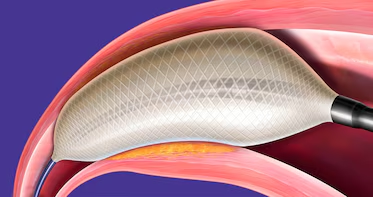
A specialized balloon catheter may be used to gently expand the narrowed duct and improve saliva flow.

Benefits:

● Precise and controlled widening
● Minimally invasive
● Effective in moderate stenosis

3. Medical Management

In early or mild cases, conservative treatment may be effective:
● Adequate hydration
● Gland massage
● Anti-inflammatory medications
● Antibiotics (if infection is present)

4. Combined Approach

In some cases, a combination of sialendoscopy and dilatation techniques may be used for optimal results, especially in recurrent or complex stenosis.

5. Surgical Intervention (Rare Cases)

Open surgical procedures are rarely required and are considered only when minimally invasive methods are not effective.

Why Choose Us

● Expertise in advanced sialendoscopy procedures
● Focus on minimally invasive, gland-preserving treatments
● Use of modern technology for precise outcomes
● Personalized treatment planning based on condition severity