Salivary Stone Treatment – Advanced, Gland-Preserving Care
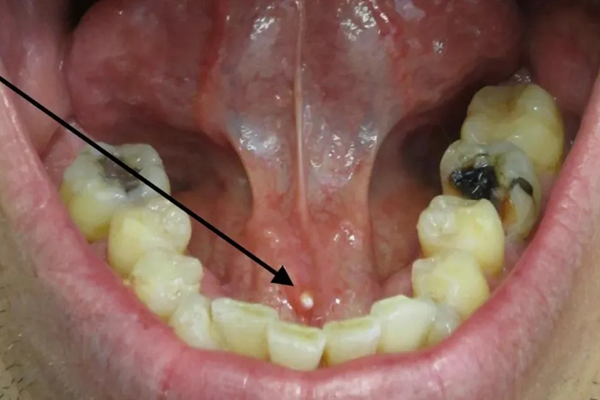
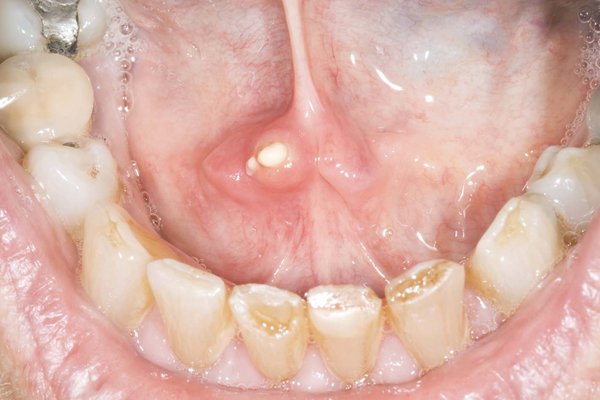
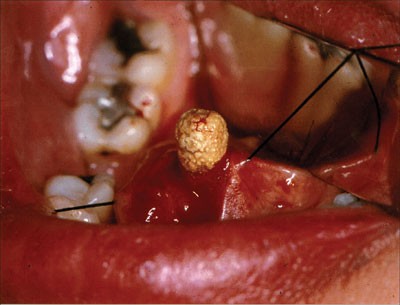
Salivary stones (also known as sialolithiasis) are calcified deposits that form within the salivary glands, most commonly affecting the submandibular gland. These stones can block the flow of saliva, leading to pain, swelling, and recurrent infections—especially during meals. At the clinic of Dr Varun Rai, advanced and minimally invasive techniques are used to effectively diagnose and treat salivary gland stones while preserving gland function.

Symptoms of Salivary Stones
● Pain and swelling under the jaw or near the ear
● Increased discomfort while eating
● Dry mouth or reduced saliva flow
● Recurrent infections in the salivary glands
● Tenderness or lump in the affected area
Diagnosis
Accurate diagnosis is essential for effective treatment. Evaluation may include:
● Clinical examination
● Ultrasound imaging
● CT scan (if required)
● Diagnostic sialendoscopy for direct visualization
Treatment Options
1. Conservative Management
Small stones may pass naturally with:
● Hydration
● Warm compress
● Gland massage
● Medications for pain and infection
2. Sialendoscopy (Minimally Invasive Treatment)
Sialendoscopy is the most advanced and preferred method for treating salivary stones. A thin endoscope is inserted into the salivary duct to locate and remove the stone.
Advantages:
● No external cuts or scars
● Preservation of salivary gland
● Daycare procedure
● Quick recovery with minimal discomfort
3. Lithotripsy (Stone Fragmentation)
For larger stones, specialized techniques may be used to break the stone into smaller fragments, which can then be removed or pass naturally.
4. Surgical Removal (Rare Cases)
In cases where stones are very large or deeply located, minor surgery may be required. However, modern techniques aim to avoid gland removal whenever possible.
Why Choose Us
● Expertise in sialendoscopy and advanced salivary gland procedures
● Focus on gland-preserving treatments
● Use of minimally invasive, cutting-edge technology
● Accurate diagnosis and personalized care
Outcome & Recovery
Most patients experience:
● Immediate relief from pain and swelling
● Restoration of normal saliva flow
● Minimal downtime and quick return to routine activities